See Her Thrive Dallas: Freedom Starts with Economic Opportunity
On April 9, 2026, Nomi Network gathered Dallas business and philanthropic leaders at the George W. Bush Presidential Center for the See Her Thrive breakfast. Presented by headline sponsor Quantum Connections: A Global Dialogue Initiative, the morning centered on one core truth: freedom starts with economic opportunity.
Building the Ecosystem: Referral Partners and Leadership Buy-In
The program featured a dynamic panel discussion moderated by 6-time Emmy-winning news anchor and nationally recognized journalist Shelly Slater (Founder, Shelly Slater Strategies). Panelists H. Lynn Hadnot (Director, Dallas County Juvenile Services), Dulari Mehta (Social Impact Manager, Hilti North America), and Nomi Network President and Co-Founder, Diana Mao Kelly explored what it takes to build a thriving ecosystem for survivors and justice-impacted youth.
During the discussion, Diana Mao Kelly issued a clear call to action for the private sector:
“Survivors are simply asking for an opportunity. Corporations have a critical role to play—we spend over a third of our lives in the workplace. If we want real pathways to stability and independence, we need more companies stepping up and more jobs that are intentionally inclusive of survivors.”
Building on this, the conversation emphasized the critical need for strong leadership buy-in across different agencies to create a seamless safety net. Nomi Network acts as the vital bridge, connecting referral partners and corporate leaders to close the employment gap through initiatives like the trauma-informed employment pilot.
Survivor Leadership: Reclaiming Independence
The most defining moment of the morning belonged to survivor-leader Niriah Williams. As she took the stage to share her journey of reclaiming her independence, she moved the conversation beyond the concept of “rescue” and into the realm of true agency. Her story serves as the ultimate proof of the Nomi Network mission: when we invest in a woman’s economic potential, we provide her with the tools to break the cycle of exploitation for good. Beyond her personal narrative, Niriah challenged the room to rethink the traditional approach to human trafficking. She emphasized that to truly end exploitation, we must move away from a purely reactionary model and toward a holistic strategy. This requires a “both-sides” approach—one that addresses the inherent vulnerability of victims while simultaneously dismantling the psychological and financial drivers that empower exploiters. By prioritizing survivor-led agency, we ensure that those with lived experience aren’t just part of the conversation—they are leading the solution.
Celebrating Changemakers
A highlight of the morning was the recognition of visionary leaders whose work perfectly embodies the event’s theme of economic opportunity and service. Their leadership reminds us that while the journey to freedom is personal, the infrastructure to support it must be collective.
Janet Jensen | Trailblazer for Justice Award
Janet was honored for her tireless advocacy and commitment to systemic change. Her work ensures that the transition from vulnerability to flourishing is supported by long-term, reliable structures.
“The more you lead, the more you serve. Maybe you too could take the time to really see this [issue of human trafficking], believe this, and honor this as part of your daily life.”
Mara McNeill | Corporate Catalyst Award
As President of PayPal Bank (in formation), Mara was honored for her 25-year career advancing financial access and responsible lending, creating pathways for businesses and communities to thrive.
“I thank the people in this room who support dignity and help others reach their God-given potential through opportunity – whether it’s pulling people up, or giving them a place to walk and being able to focus on hope.”
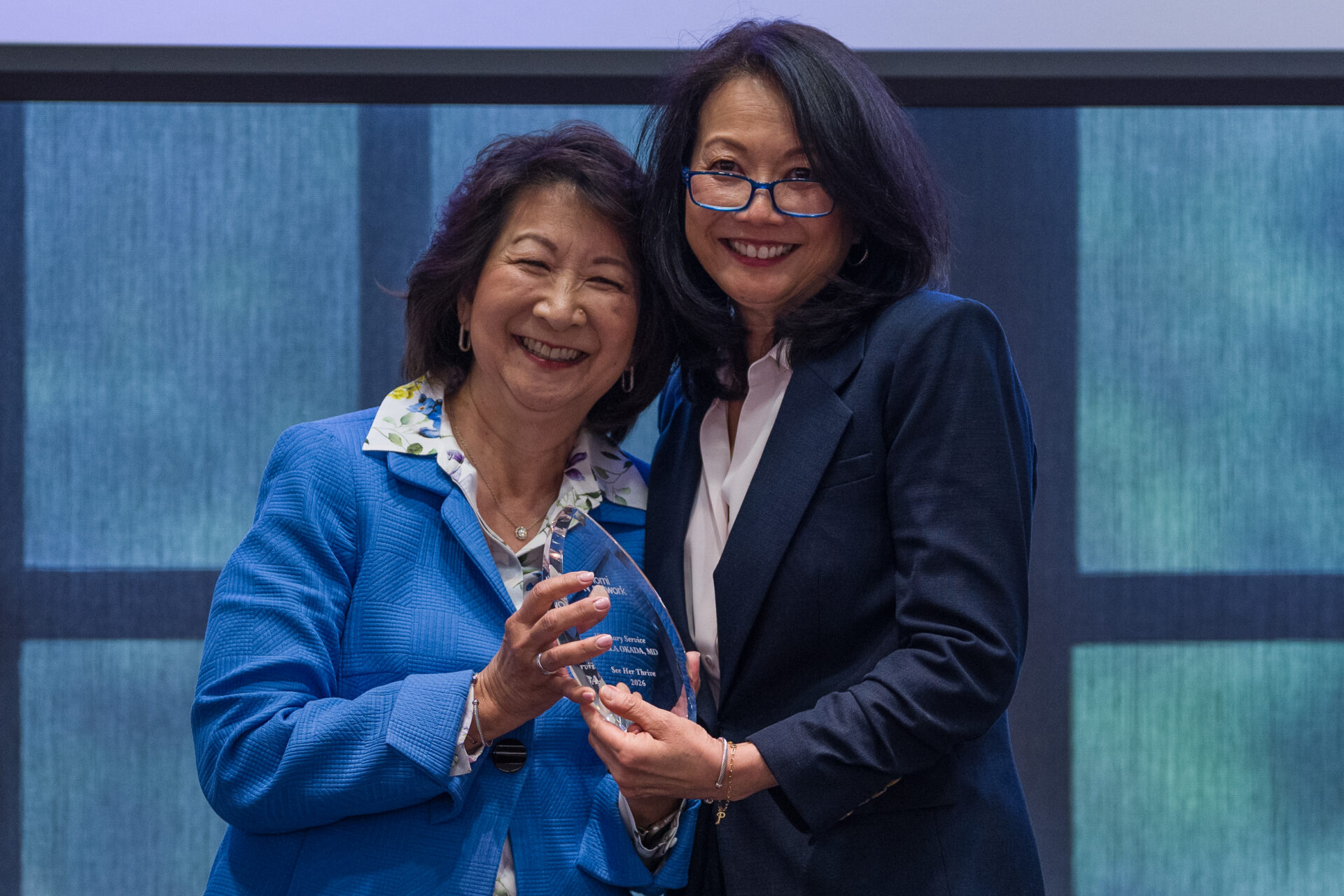
Dr. Pamela Okada (Visionary Service Award):
Chief of Pediatric Emergency Medicine at UT Southwestern, Dr. Okada was celebrated for her dedication to caring for the most vulnerable children and mentoring the future of medical leadership. Her perspective highlights the essential starting point of all recovery: being seen.
“Every person deserves to be seen, to feel seen, and know that they have the opportunity to be healed.”
A Unified Message of Hope
Nomi Network Board of Advisors Kimia Penton concluded the event by reinforcing the shared commitment of the Dallas community. The message was clear: by providing the tools for economic independence, we aren’t just offering a job—we are offering freedom.
“Thanks to many people in this room, we were able to directly serve over 4,000 women through the employment talent pipeline last year, and provide over 25,000 individuals with services!”