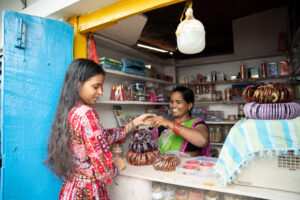
January is National Human Trafficking Prevention Month. While we often think of human trafficking as a “hidden” crime occurring in dark corners, the reality is that its impact is often right in front of us—embedded in the products we buy, the services we use, and the global industries we support. This month, Nomi Network is pulling back the curtain on how trafficking intersects with our daily lives and how we can all play a part in creating a world where every woman and girl is safe, free, and empowered.
The Focus: The Hidden Cost of Everyday Choices
A $5 t‑shirt. A last‑minute Amazon order. A trend that appears overnight and disappears just as fast.
Fast fashion has trained us to expect more for less. But behind the low prices and quick turnarounds is a supply chain that often relies on poverty wages, unsafe working conditions, and, in the worst cases, forced labor and human trafficking.
At Nomi Network, we work with survivors and those who are vulnerable to trafficking by creating pathways to safe, dignified employment. Through our work, we’ve learned a vital truth: human trafficking isn’t an abstract issue happening “somewhere else.” It’s embedded in everyday products we all use.
Human trafficking thrives where people lack safe job options and where supply chains prioritize speed and cost over people. When companies demand faster production at lower prices, pressure travels down the supply chain—often landing on the backs of women and children.
While our focus in this article is on apparel, it’s important to recognize the industries most at risk:
- Apparel and textiles (fast fashion, accessories)
- Agriculture (cotton, cocoa, coffee)
- Electronics (mined materials, assembly)
That shirt in your closet or rug in your living room may have passed through multiple countries, contractors, and subcontractors—many of which operate with little oversight. When transparency is missing, exploitation flourishes.
This doesn’t mean every product is connected to trafficking. But it does mean our purchasing choices matter more than we’ve been led to believe.
Why Fast Fashion Is Especially Harmful
Fast fashion is built on three pillars: Speed (new styles daily), Low Cost (prices that don’t reflect the true cost of labor), and Volume (disposability). To meet these impossible demands, factories may resort to:
- Poverty-level wages and excessive, forced overtime.
- Unsafe working conditions.
- Recruitment practices that leave workers indebted or trapped.
Women—especially migrants and young workers—are disproportionately affected. When wages aren’t livable, and jobs aren’t safe, vulnerability to trafficking increases.
A New Year, A New Way to Shop
January is a time for fresh starts and meaningful resolutions. This year, we invite you to make one simple, powerful commitment:
Resolve to shop smarter.
You don’t have to overhaul your life or achieve “perfect” ethical consumption. Progress matters more than perfection.
Smarter shopping can look like:
- Buying fewer, better‑quality items
- Choosing brands that prioritize ethical labor and transparency
- Asking: Who made this—and under what conditions?
- Supporting organizations and companies that invest in safe employment for women
Every purchase is a signal. When consumers demand better, companies respond.
What Ethical Supply Chains Can Look Like
There is no such thing as a perfectly ethical brand. Supply chains are complex and constantly changing. However, some companies are taking meaningful steps toward transparency, safer labor practices, and accountability—showing that better systems are possible.
The examples below are not endorsements, but a starting point for consumers who want to understand what responsible sourcing can include. We encourage shoppers to continue researching and asking questions.
Practices to Look For
More responsible supply chains often include:
- Public impact or supplier reports
- Third-party labor certifications (such as Fair Trade Certified™, GOTS, or B Corp status)
- Commitments to safe working conditions and fair wages
- Long-term relationships with producers or factories
Examples of Brands Making Public Commitments
These companies are frequently cited for transparency efforts or third-party certifications. Standards may evolve over time.
Apparel & Accessories: Patagonia, EILEEN FISHER, People Tree, Everlane, PACT
Shoes, Bags & Jewelry: Nisolo, ABLE, SOKO, Brilliant Earth
Home Goods: The Citizenry, Coyuchi, West Elm (select Fair Trade Certified™ products)
Progress Over Perfection
Ethical shopping doesn’t mean getting everything “right.” Buying less, choosing secondhand, and supporting organizations that create safe employment all play a role.
At Nomi Network, we believe progress happens when people and systems move together toward dignity in work.
How Nomi Network Fits In
Nomi Network exists to break the cycle that fast fashion often fuels. By creating safe, dignified jobs for women and girls—especially in high‑risk communities—we help reduce vulnerability to trafficking at its source.
When you support Nomi Network, you’re investing in:
- Workforce development
- Ethical production partnerships
- Long‑term economic independence for women
And when you shop more intentionally, you reinforce the same belief we hold:
Everyone deserves safe work and a fair future.
Make This the Year Your Choices Count
Human trafficking is complex—but fighting it doesn’t have to be.
This January, let your New Year’s resolution extend beyond yourself. Choose quality over quantity. Transparency over trends. People over profit.
Because the things we buy every day can either reinforce exploitation—or help end it.
Sign up for our mailing list to read transformative stories of economic empowerment, receive the latest program updates, and learn more about how you can help end human trafficking. nominetwork.org/sign-up/