
Building a world where every woman and girl is free.

Nomi Network is part of the global effort to end human trafficking in our lifetime: Why do we address economic opportunity as a solution?

In our work, we see that poverty and economic vulnerability are primary drivers that make women and girls vulnerable to exploitation. We focus on regions where women and girls face the highest risks of trafficking and the greatest barriers to employment, with active programs in India, Cambodia, and the United States.

By creating pathways to safe employment and long-term economic stability, we help prevent trafficking and empower women to rewrite their futures and influence generations to come. We also partner with companies to provide trauma-informed training, equipping them to hire survivors and individuals at risk, and to support them in building sustainable, thriving careers.

Income Solutions: Nomi Network's Approach

Fueling confidence and agency for women and girls

  • Affirmation-centered training to build confidence and leadership skills
  • Education on human trafficking and risks
  • Gender, child, and legal rights training
  • Internet safety training
  • Financial literacy training

Address barriers to work

  • Life skills and technical skills training
  • Job readiness skills (interviewing, resume-building, application process)
  • Career support for clients with criminal backgrounds
  • Resource coordination (bank accounts, IDs, transportation, child-care services)
  • Support with completing secondary education or obtaining higher education

Building a network of safety and support

  • Cohort-based learning to build trust and camaraderie
  • Case management and follow-up from Nomi Network staff to ensure long-term success

Facilitating job placement and improving retention

  • Mentorship and career planning
  • Partnering with employers to create job opportunities and facilitate job placement
  • Provision of funds and support for small business start-up and expansion
  • Follow-up to support job retention and upward mobility
  • Trauma-informed training for employers

Long-term outcomes include:

Women achieving economic agency and mobility

Reduction in trafficking vulnerability and broken cycles of poverty and exploitation

Increased gender equity as women and girls become leaders and providers in their families, communities, and workplaces

We work in regions where women and girls confront the highest risks of trafficking and experience the most substantial barriers to employment. Our initiatives are active in:

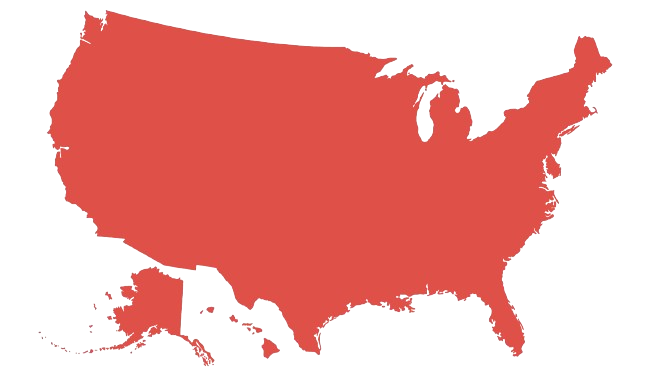
United States

In the United States, there are over one million people experiencing human trafficking, a reality often overlooked. The vulnerabilities of these individuals stem from intricate socioeconomic factors, including economic disparity, poverty, and limited access to education and secure employment. Those grappling with abuse, substance abuse, insecure immigration status or criminal justice or foster care system involvement are at an elevated risk. 

Nomi Network currently works with marginalized youths within the US juvenile justice system—many of whom are survivors or at high risk of CSE. Alarmingly, 42% of youths in juvenile justice placement are Black, despite Black Americans constituting only 15% of all youths in the United States.

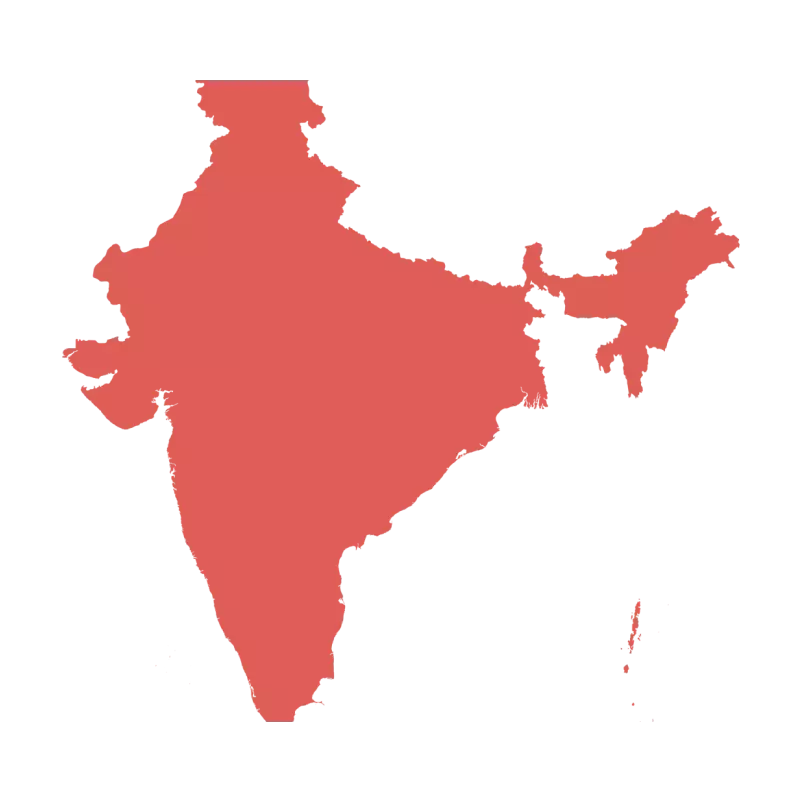
India

India is home to the world’s largest population of modern-day enslaved people, estimated to be over 11 million. As of 2023, nearly one in four girls in India (23%) were married or in union before their 18th birthday. 

Nomi Network serves in three states in Northeastern India, where women and girls are economically marginalized due to poverty, caste discrimination, gender inequality, and low capacity to resist economic shocks. Many communities we serve are adjacent to major trafficking routes and red-light districts, putting them at risk for CSE and forced marriages.

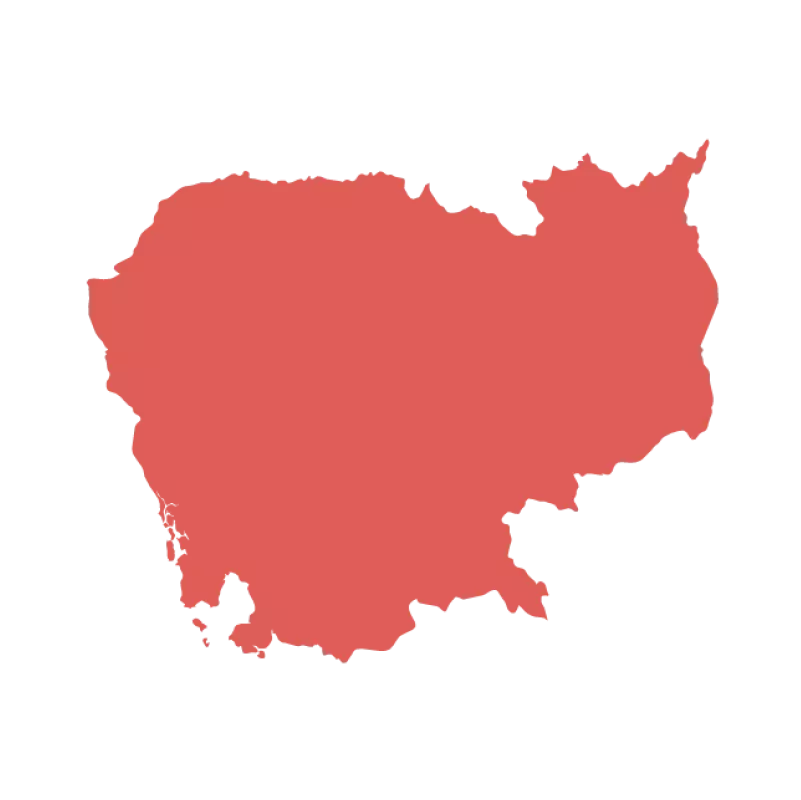
Cambodia

Cambodia is a hotspot for commercial sex and forced labor, child labor, and sex tourism. Poverty and a lack of education opportunities for both urban and rural families cause 55% of teenagers to drop out of school by age 17, heightening vulnerability to trafficking. Trafficking occurs in all 25 provinces and often goes unreported and unprosecuted. 

Women and girls who relocate to the cities to find work are often exploited in brothels, massage parlors, salons, karaoke bars, retail spaces, and foreign-owned casinos. Demand for child sex trafficking comes primarily from Cambodian men, but tourists fuel demand for child sex tourism. Children in urban areas who are left behind by families traveling abroad for work are especially susceptible to forced labor and sex trafficking.

“I have a job that I actually enjoy.”
– Dallas program participant

We believe that all people have the right to be free — free to have ownership over their bodies, free to choose when and how they will participate in work, and free to live without the threat of violence and exploitation.

Be a part
of her network

Help us
empower women